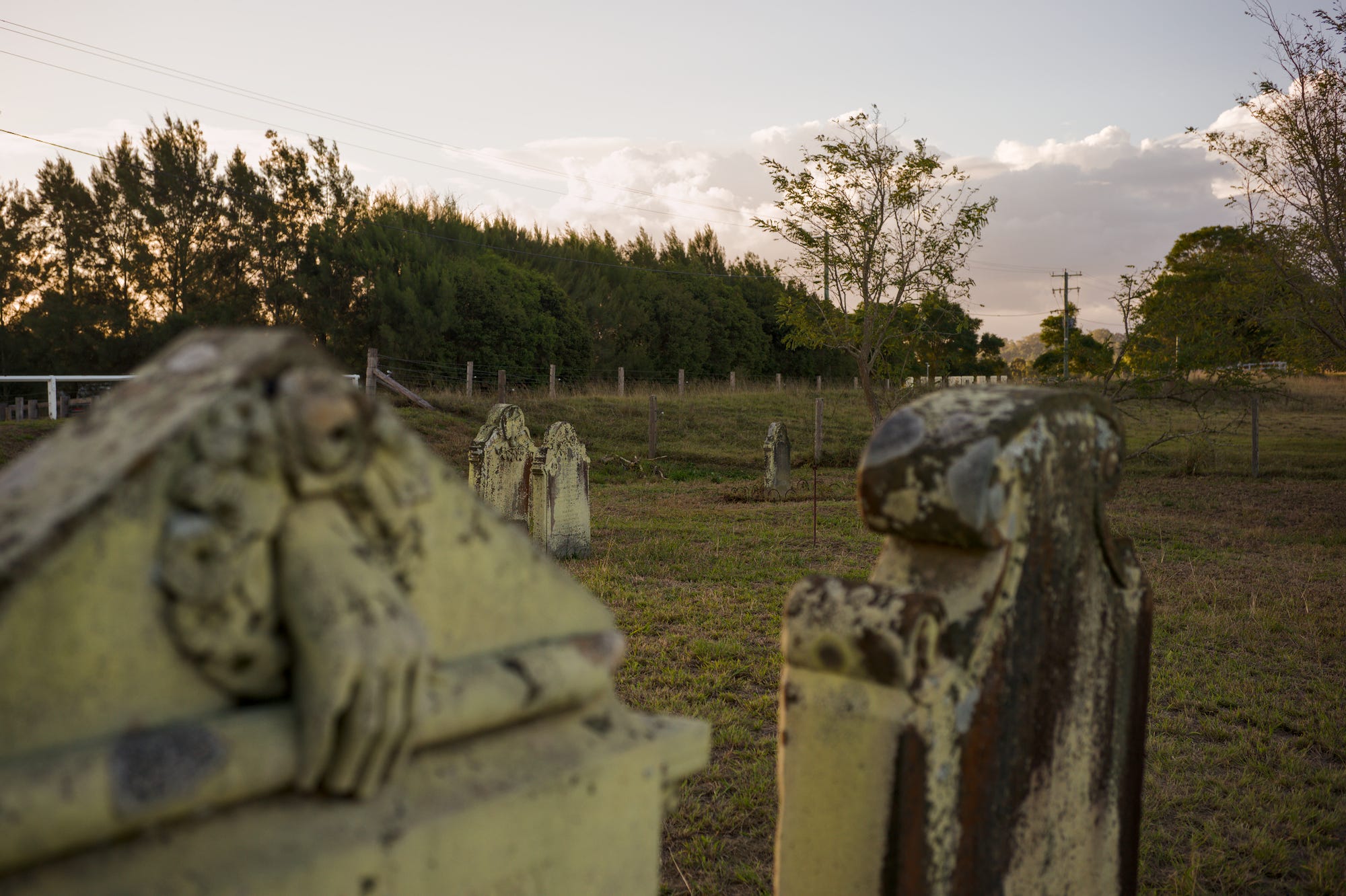
Enough, already
May we get lost to time, in part two of the 'Remains' photoseries.

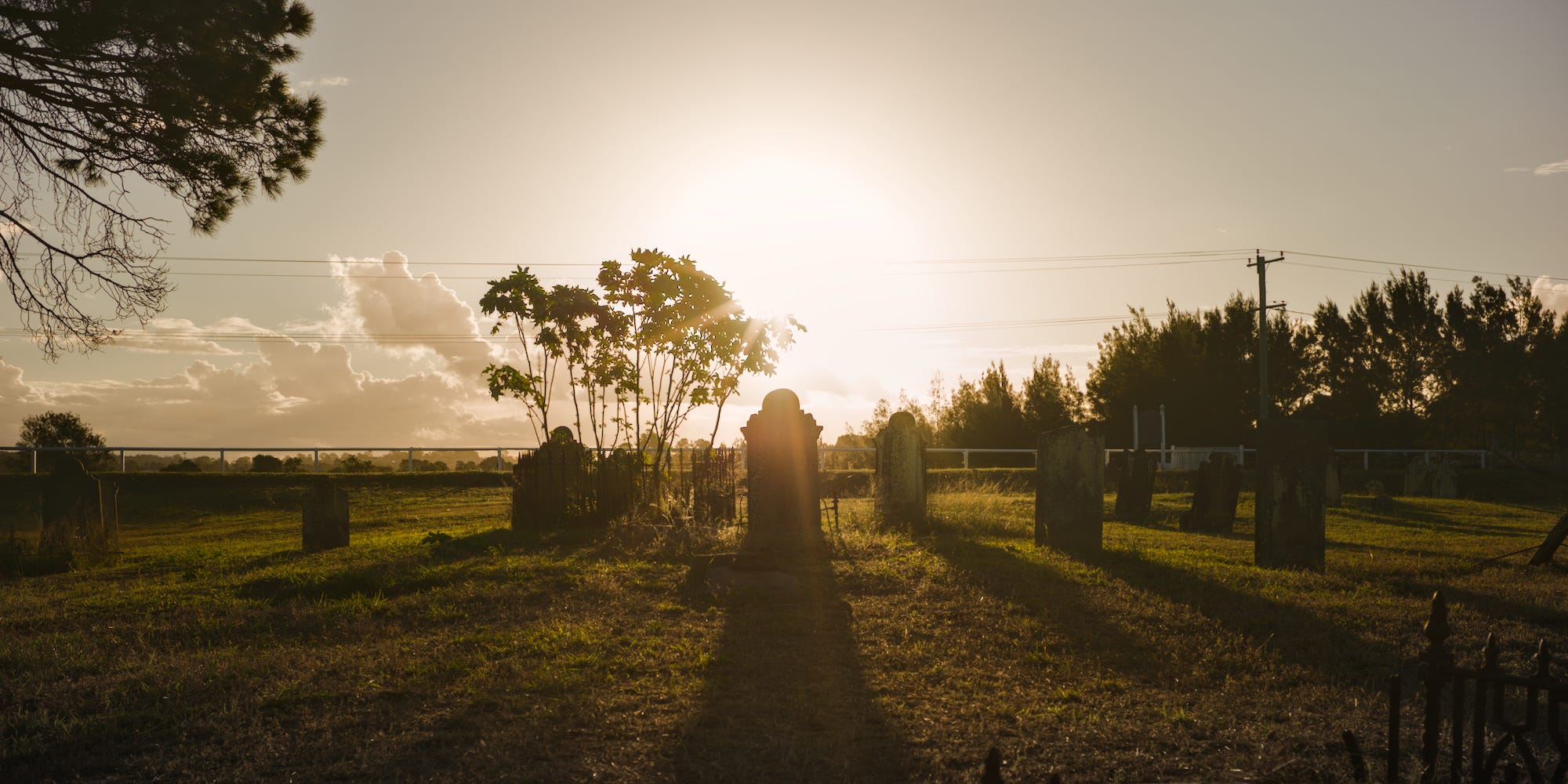
This article is Part II to an earlier piece, featuring exerpts from my Remains photoseries. The historical cemetery of Kiandra facilitates an exploration of care, neglect, and the things that time chooses to keep;
You won't remain
·I’ve always been drawn to cemeteries. Of course, there is a superficial explanation - the stereotype of goth subculture, necessitating a fascination with death and its associated spaces. But as a photographer, the attraction has outlasted mere aesthetic interest.

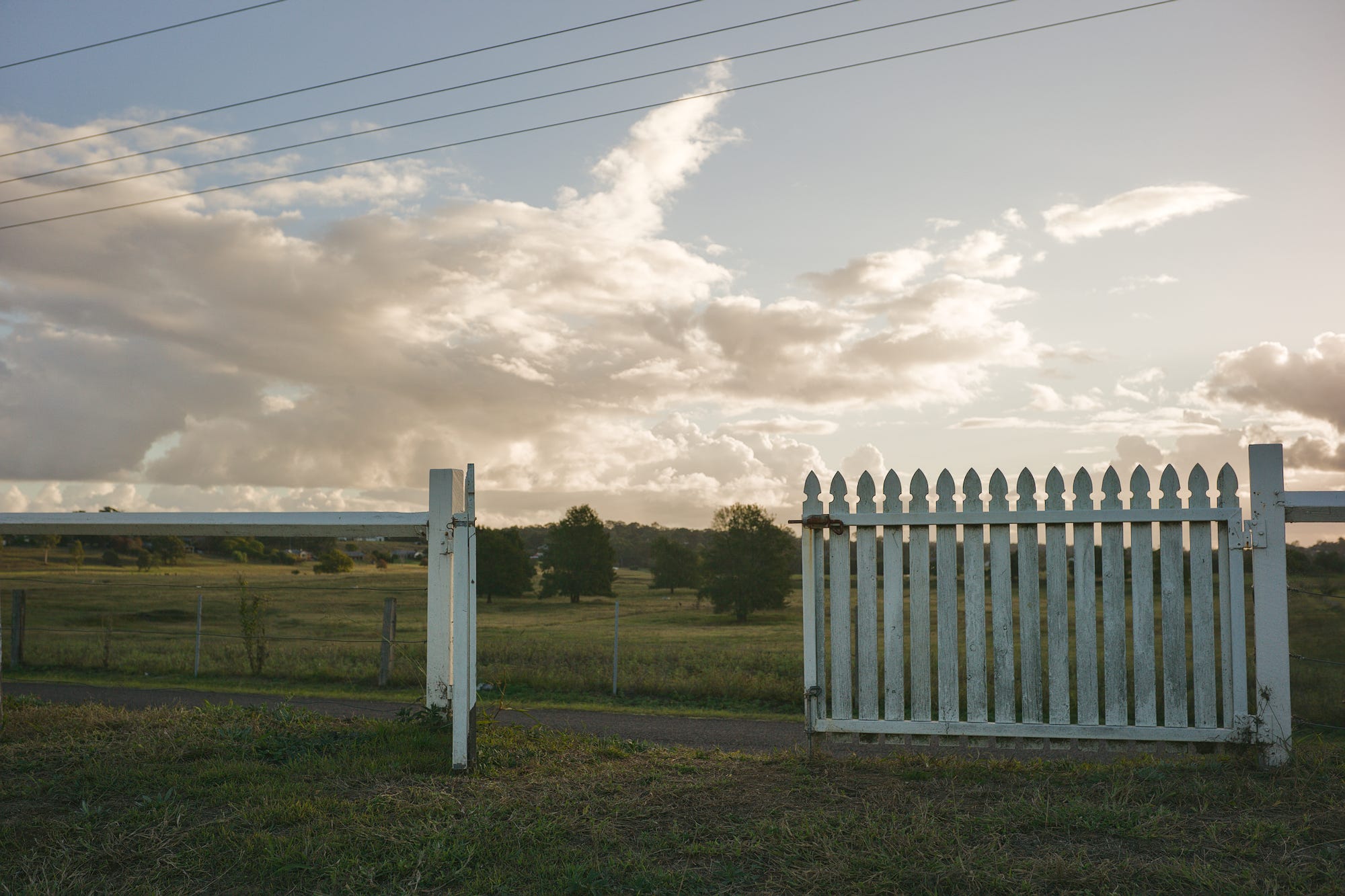
The cemetery humbles self-importance. Modern life speaks constantly of legacy, visibility, audience, and so often we document ourselves compulsively in fear of disappearance. But the dead at Oakhampton demonstrate another outcome: obscurity not as catastrophe, but as inevitability. These people are already gone twice, both physically and culturally. Few visitors arrive searching for them specifically, because there isn’t really enough left here to garner any meaningful information or experience. Their descendants, if they remain at all, likely pass without recognition.
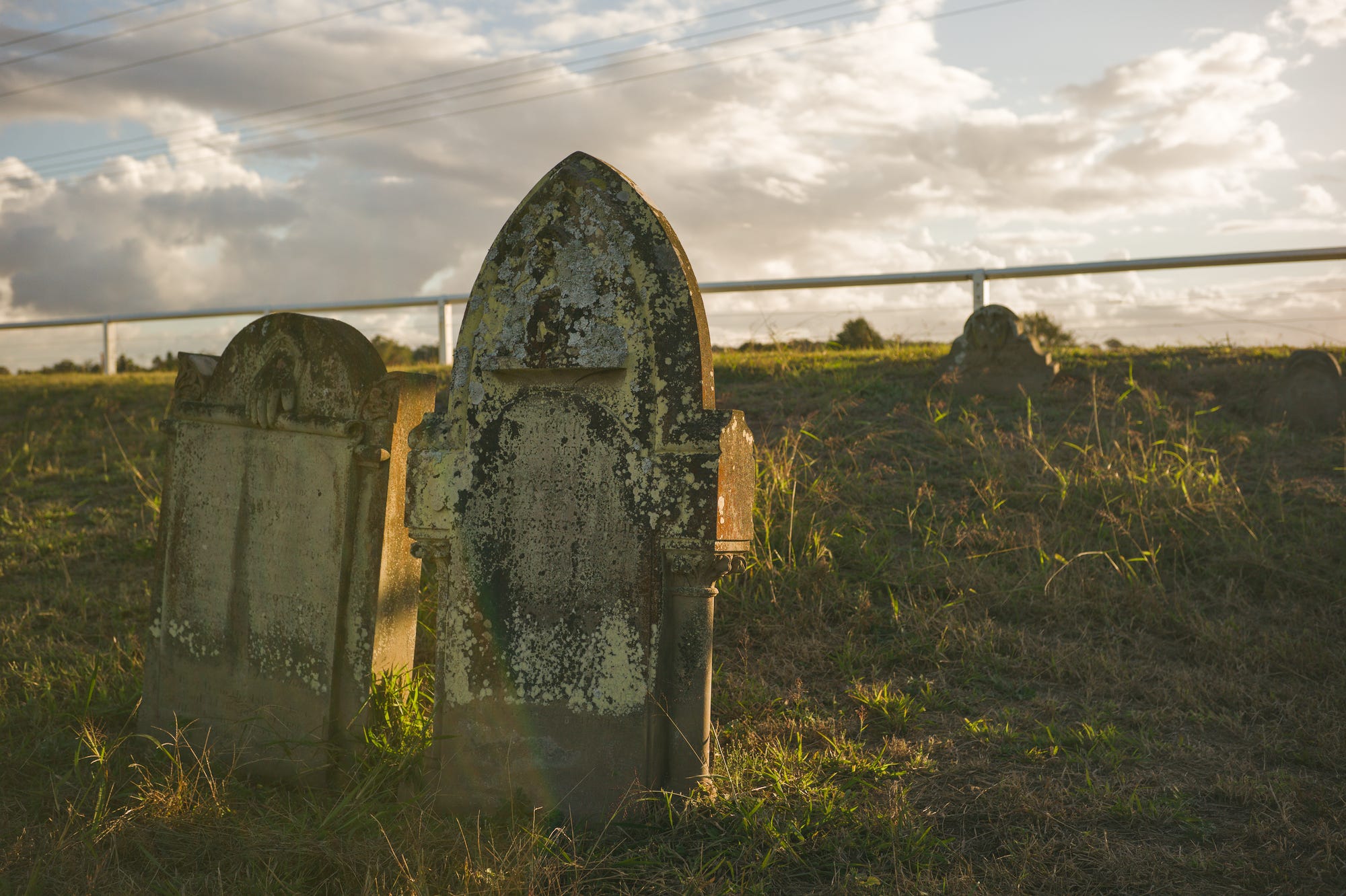
Here the contemporary world is provided due correction on its obsession with permanence through data. Archives swell with uploaded images and shared opinions, as evidence that we were here. But permanence of record is not permanence of meaning. A hundred years from now, our computer drives will be even more weathered than these stone inscriptions; technically extant, and literally unreadable. Cemeteries expose the instability of significance.
Distinction quickly collapses. Wealthier monuments survive somewhat better, but not enough to matter. The ambitious Victorian obelisk and the modest sandstone slab both succumb to the same biological vandalism of soil, flooding, erosion, plant life, and time. Status may erode unevenly, but it erodes nonetheless.
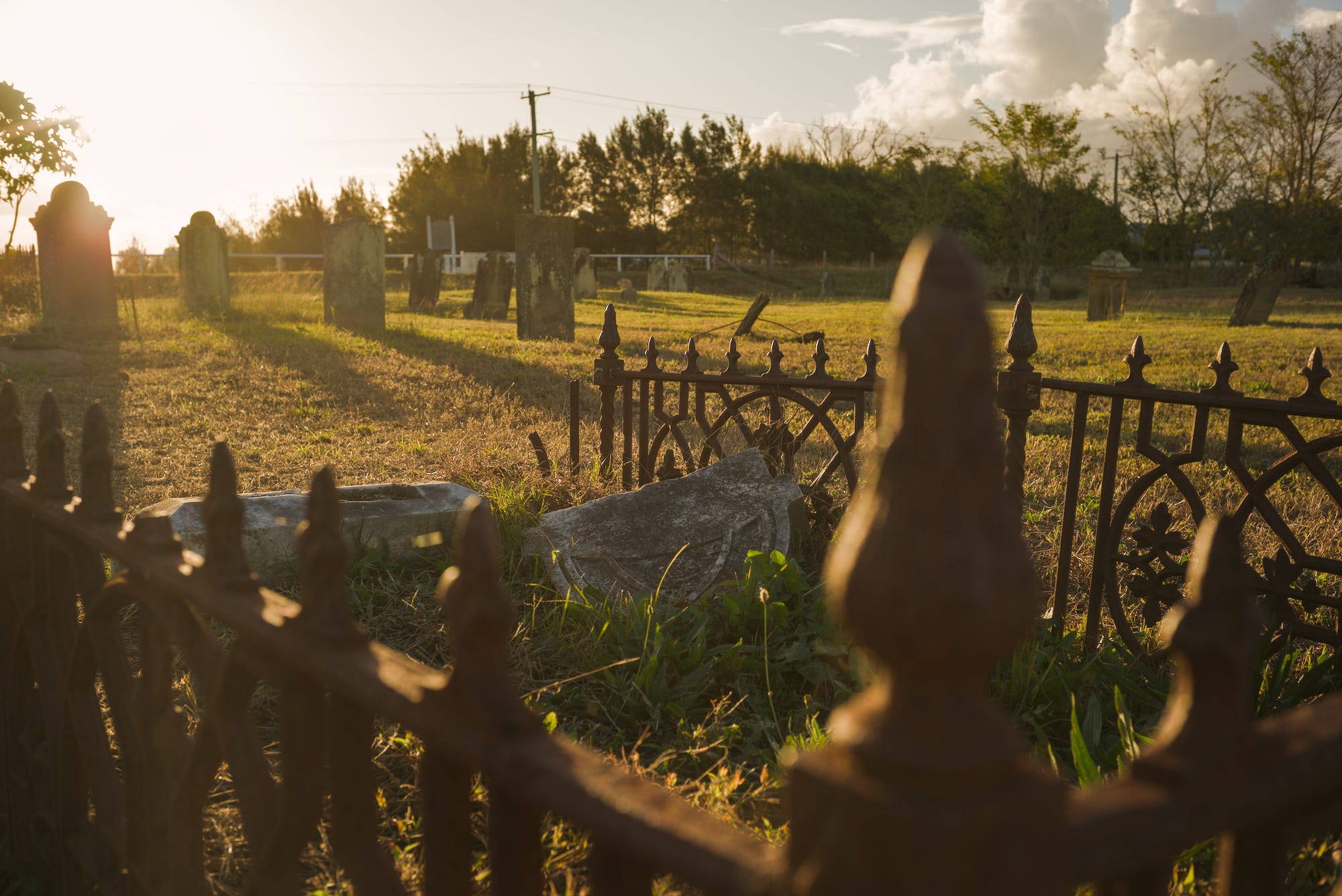
Photography feels strangely appropriate in such places because cameras themselves operate as small anti-death devices. Artists, but photographers in particular I think, love to justify their practice as a service saying “this existed”, and yet cemeteries set limitations of that impulse too. Documentation cannot rescue anything permanently. At best, it just delays disappearance slightly.
The fantasy of permanence drops away. The Remains are simply evidence that people lived nearby, loved, suffered, existed, and were eventually absorbed back into the same ground they attempted briefly to organise and cultivate.
So may we live life as though we aren’t important, and accept that this is enough.